
On April 23, 1951, Stokes helped to organize, strategize, plan and lead a student strike for better conditions.
Cultural Diversity Roster
Find a Presenter
speaker
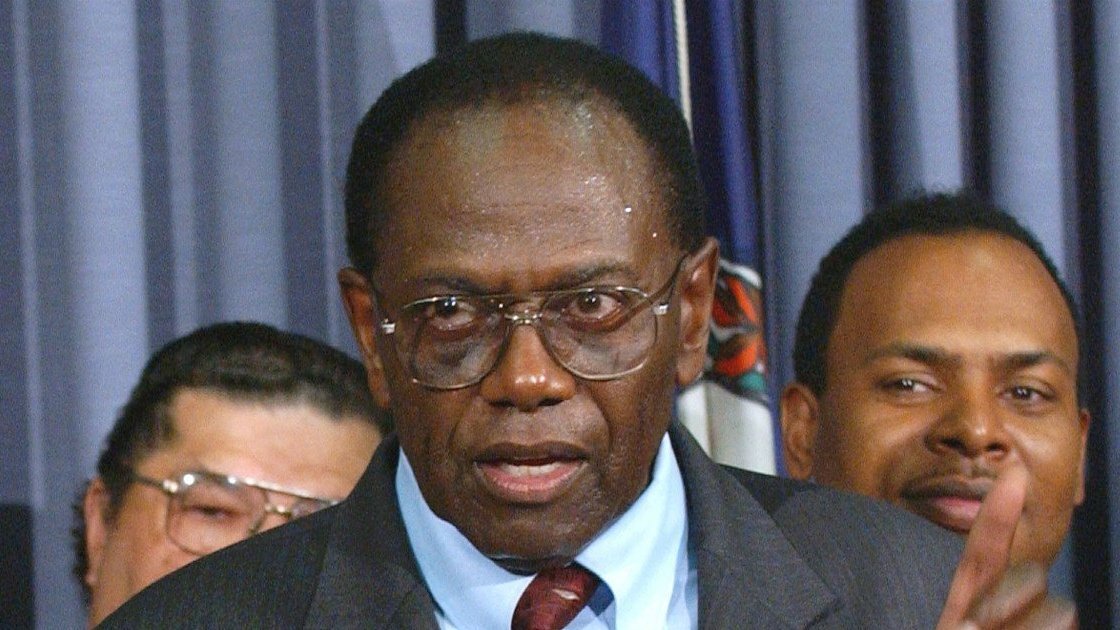
John A. Stokes
On April 23, 1951, Stokes helped to organize, strategize,
Categories :
[Sassy_Social_Share]
Bio
Full Bio
On April 23, 1951, Stokes helped to organize, strategize, plan and lead a student strike for better conditions at Robert Russa Moton High School in Farmville, Virginia, a strike that made Stokes a plaintiff in the landmark civil rights case Brown v. Board of Education and helped change life in the US forever.
While serving as an educator in Baltimore, Stokes received many awards from the mayor, governor and others due to his ability to bring the inner city students’ achievement levels far above the norm. Many of these students ended up becoming doctors, lawyers, teachers, and productive citizens.
Stokes also served as an elementary and junior high school teacher, an administrative intern under the auspices of The Rockefeller Foundation, a master teacher, assistant principal, and principal, before retiring in 1994. Since retiring, Stokes has served as an adjunct professor at different colleges and universities. He served as an ad hoc member of a steering committee at the Virginia General Assembly in Richmond, Virginia.
Stokes has received a multiplicity of awards and recognitions due to his stance for the rights of all people, including The Dr. Charles Hamilton Houston Award, The A. Leon Higginbotham Award, a United States Department of Justice Award, a Congressional Senatorial Award, an N.A.A.C.P. Award, an N.E.A. Award, and an award from The Community Teachers’ Institute. As if that’s not enough, the greatest recognition to date would have to be Stokes’ likeness in a figure that is now displayed among others in a civil rights monument on the Capitol grounds (at The Capitol Square Civil Rights Memorial) in Richmond, VA. This unique statue was unveiled in July 2008.
Check Availability
Topics
Topics
An Evening With John A. Stokes.
Videos
Videos
Voices of History: John A. Stokes
Brown v. Board of Education: John Stokes


